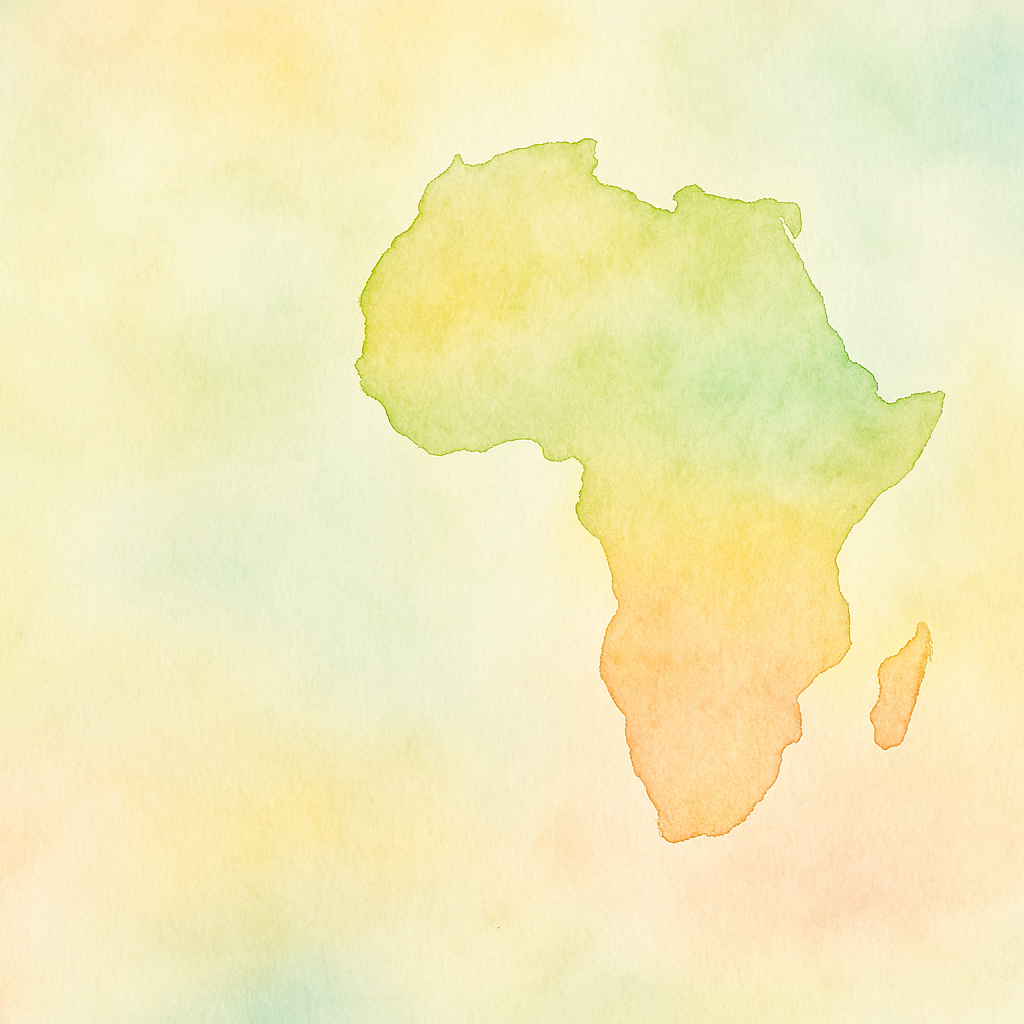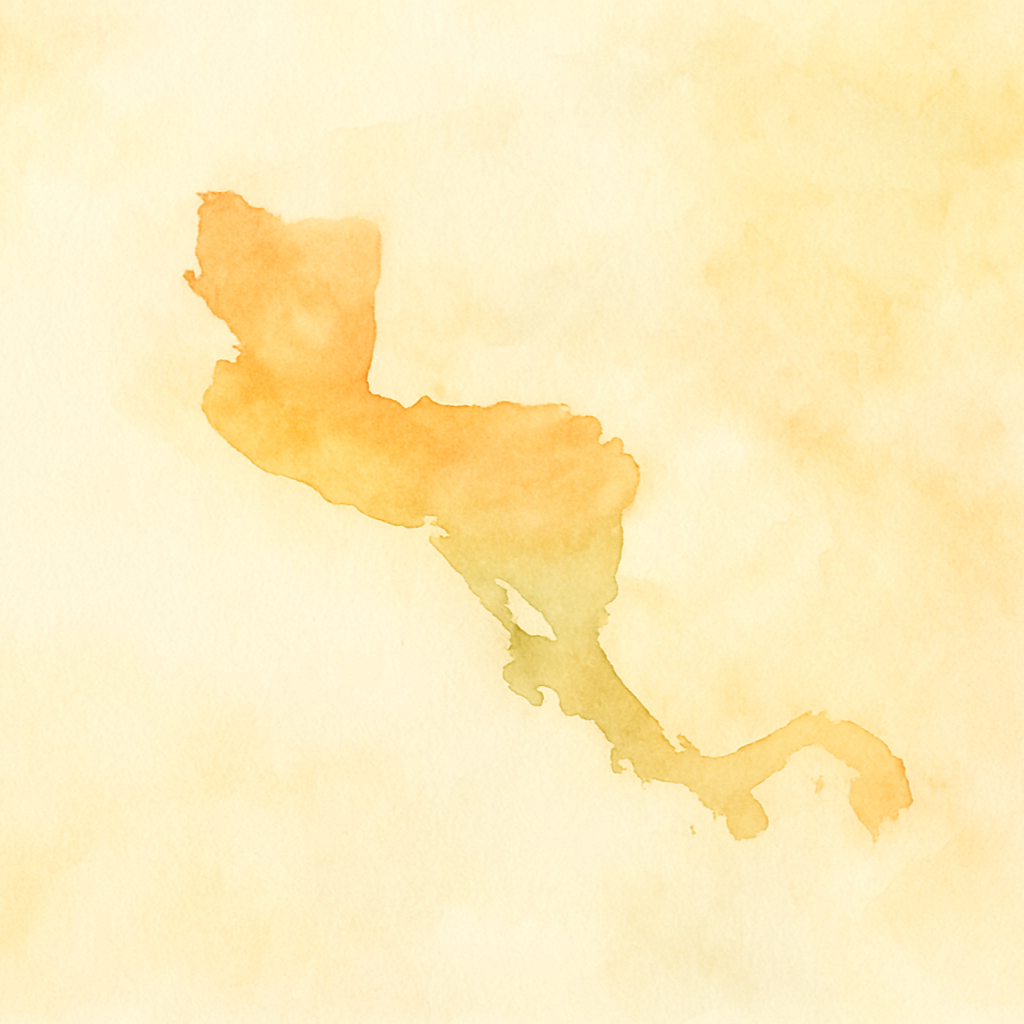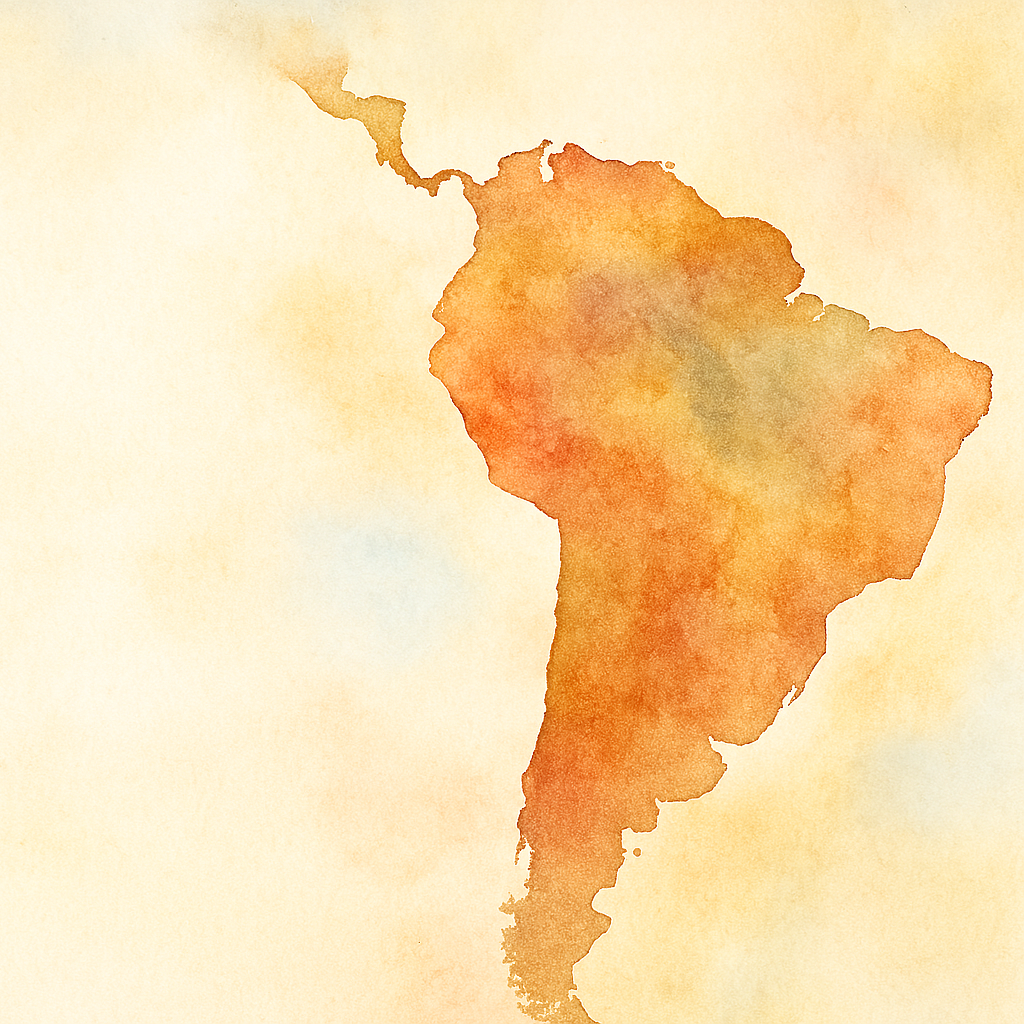



Multiple Origins

Type

Roast

Profile

Profile
Multiple Origins
Type

Roast
Profile
Profile
Multiple Origins
Type

Roast

Profile

Profile
Multiple Origins
Type
Roast
Profile
Profile
Multiple Origins
Type
Roast

Profile
Profile
Multiple Origins
Type
Roast

Profile
Profile
Multiple Origins
Type
Roast
Profile
Profile
Multiple Origins
Type
Roast
Profile
Profile
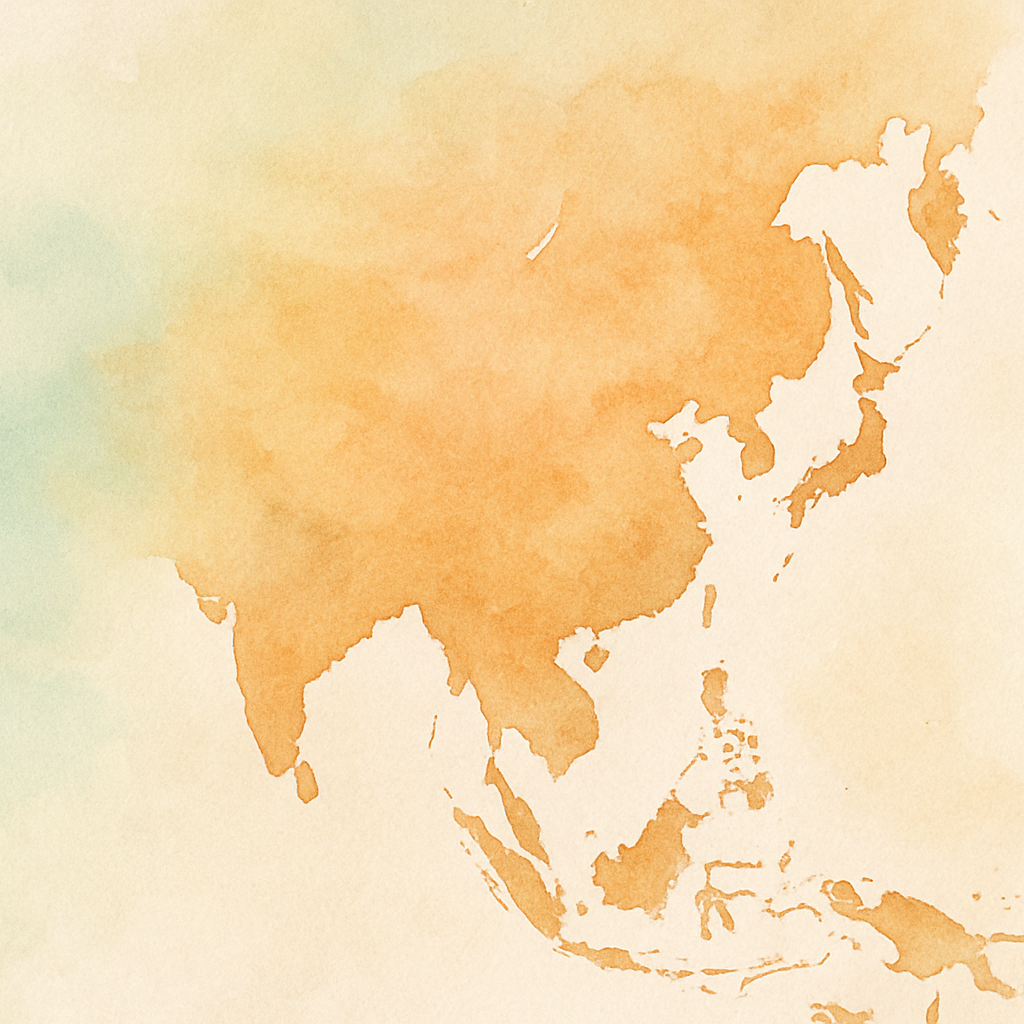
As a continent, Asia produces around 1/3 of the world’s coffee. And while it is fair to say that Asia flies under the radar when compared to South America, Central America, and Africa, countries like India, Vietnam, and now China are playing an important role in fuelling the growing domestic markets and continuing to supply much of the global markets.
Whilst South American beans provide balance and African components occasionally contribute sweet berry lift, it's the Asian component that gives these blends their weight and staying power. Roasted from medium to dark, they're perfectly suited for milk, whether it be a flat white or latte.
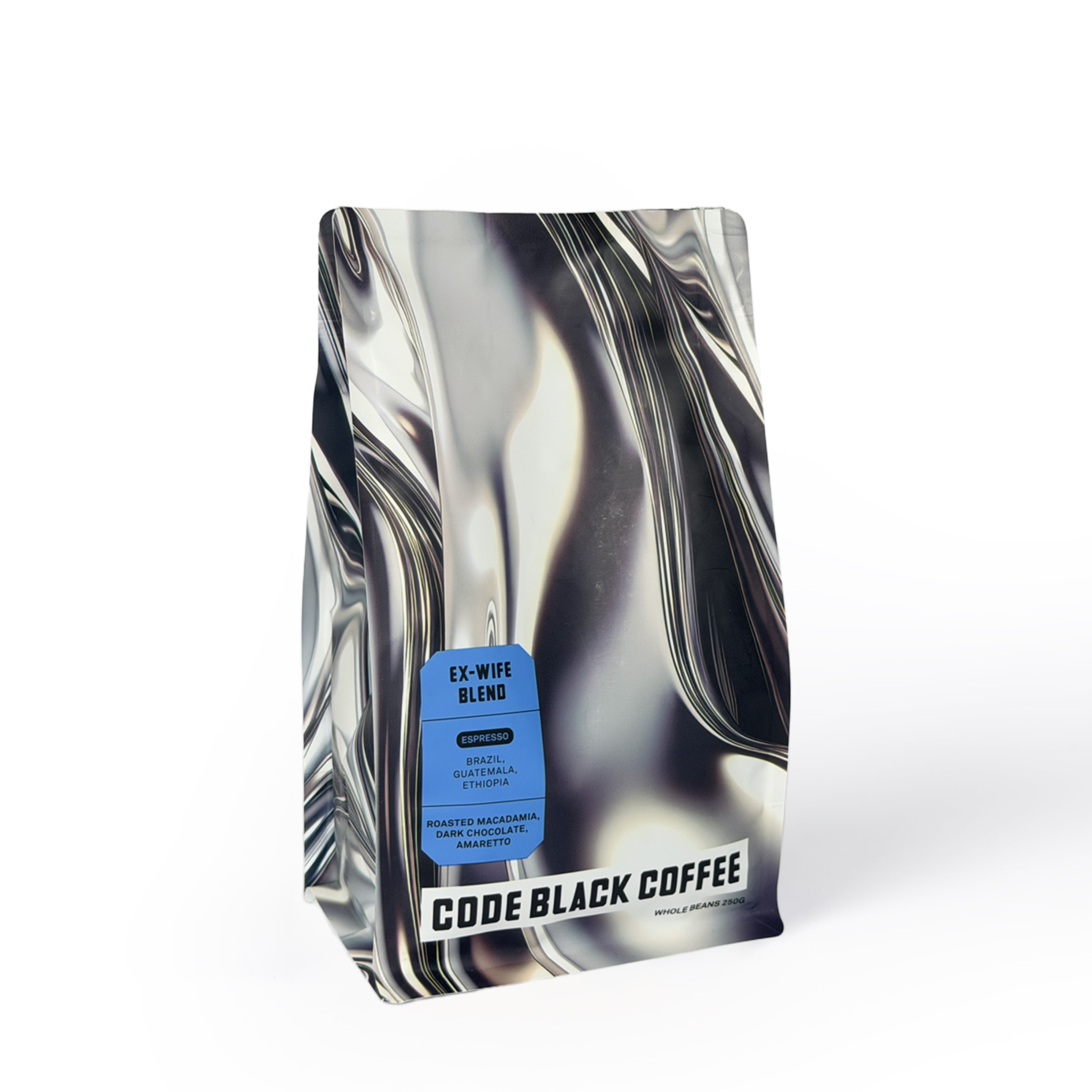
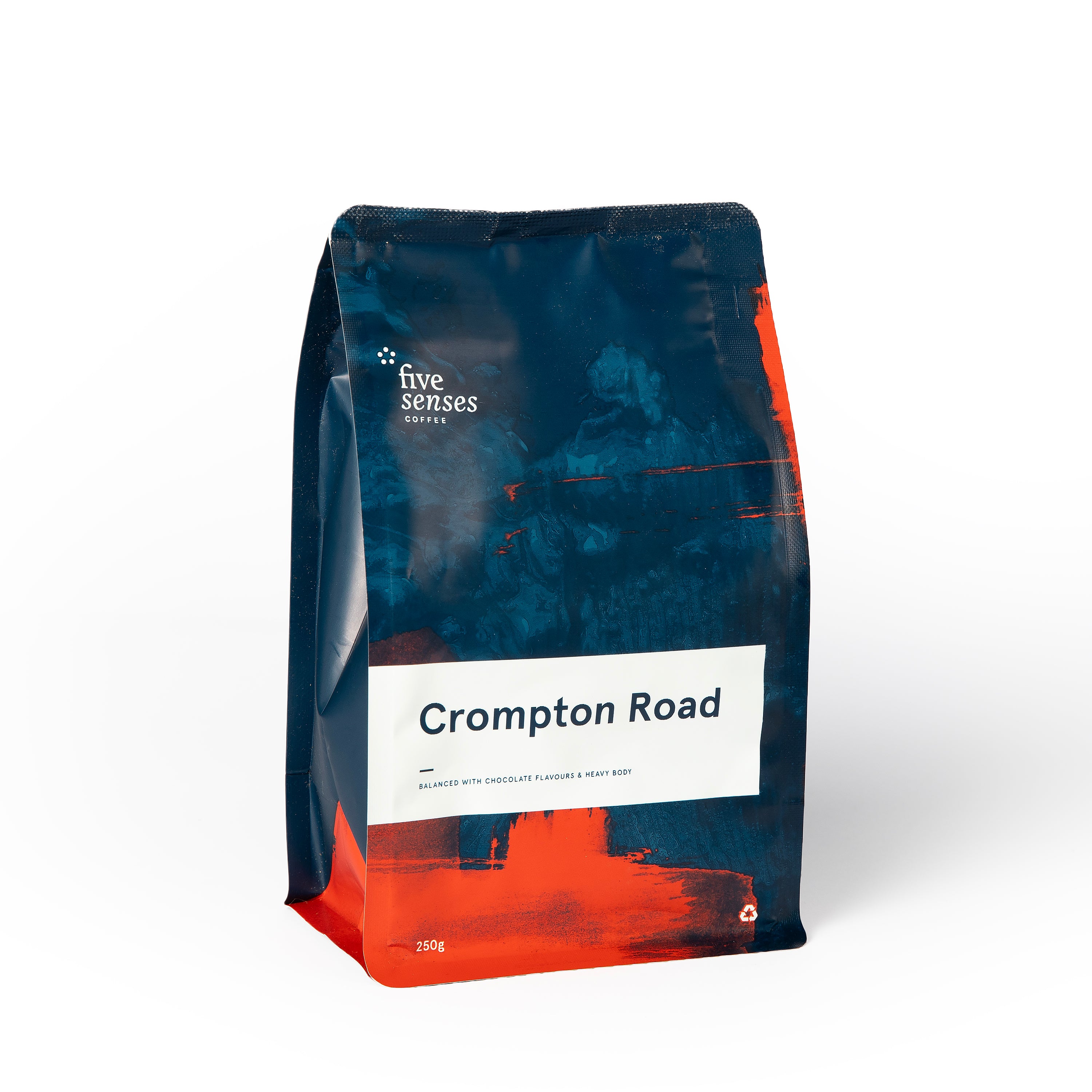
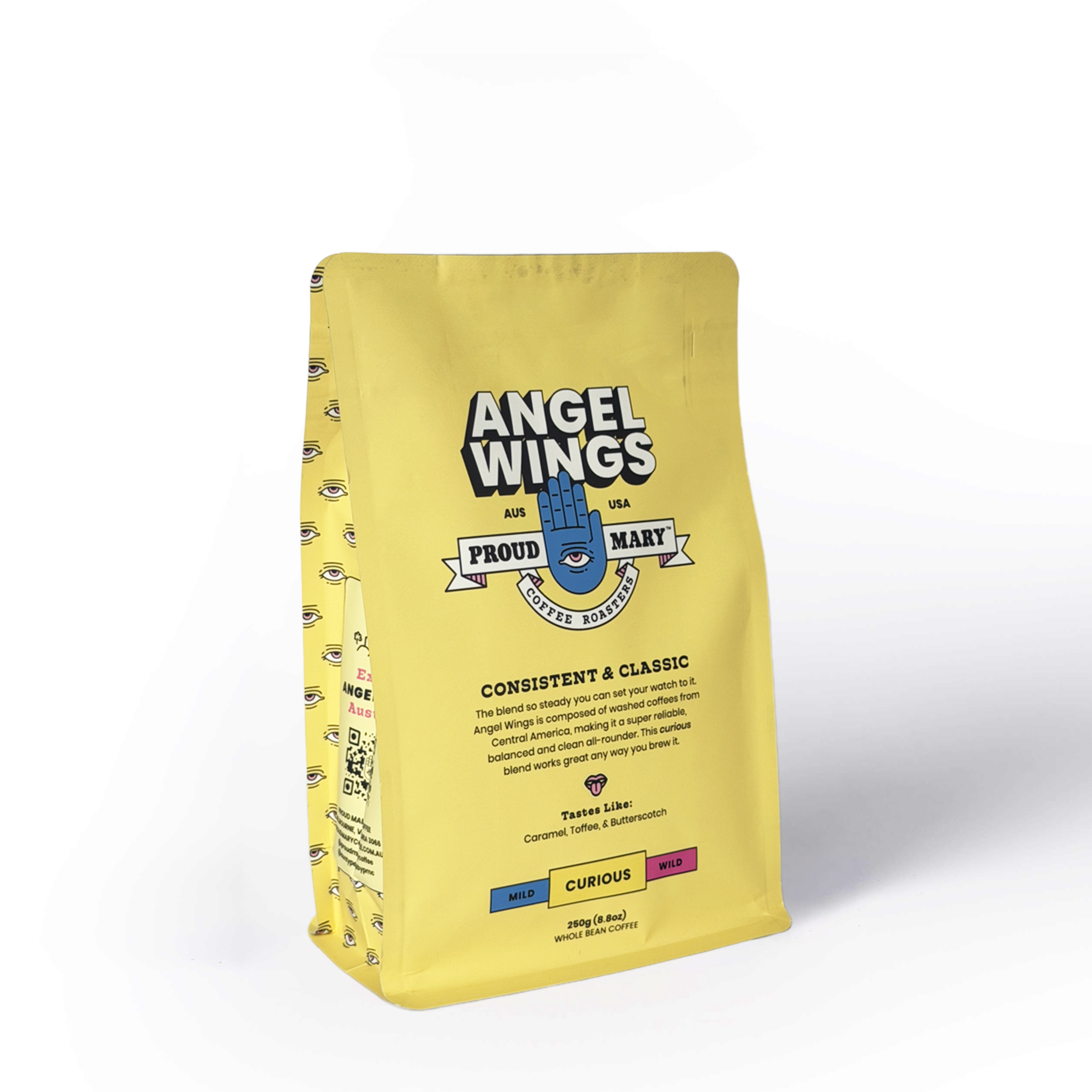
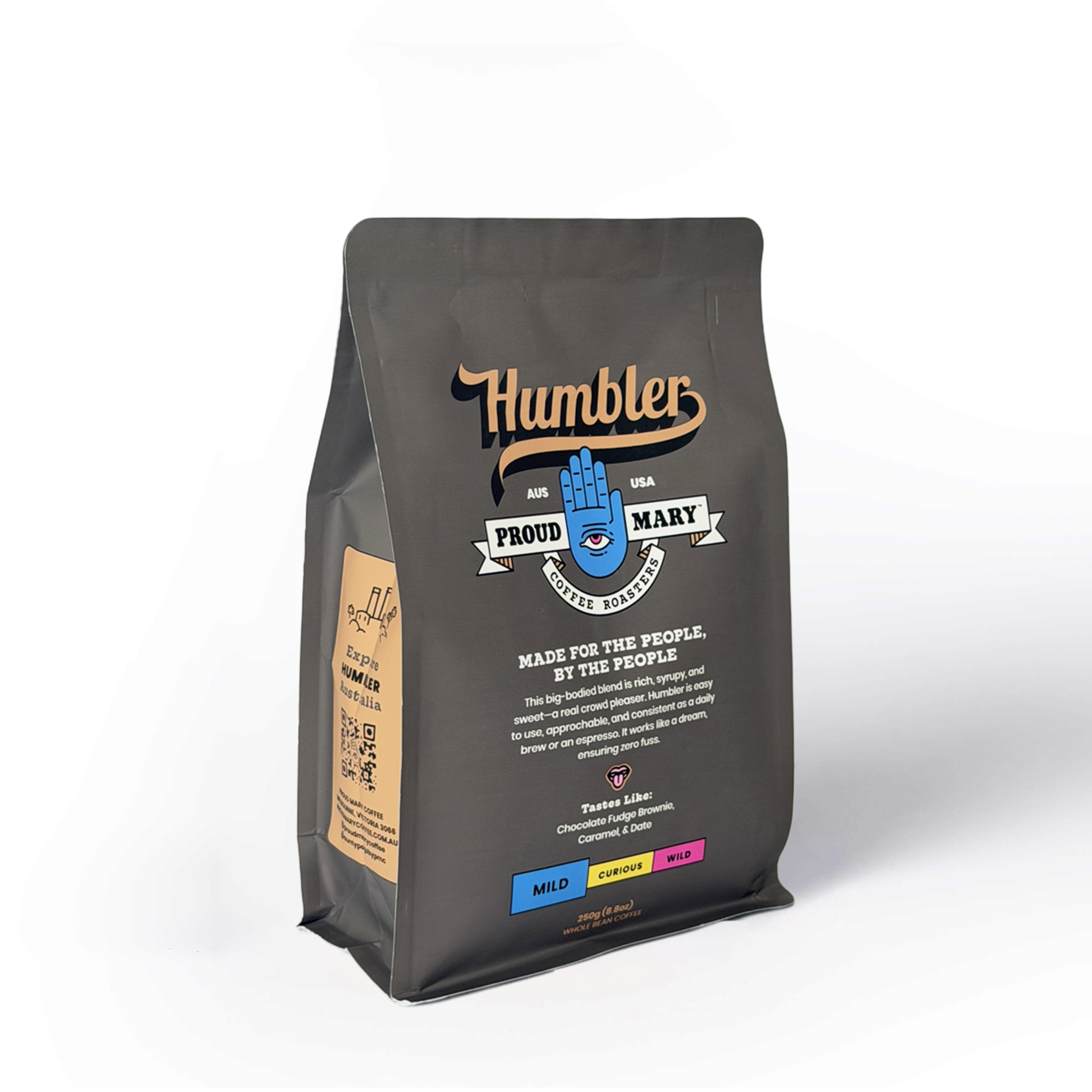
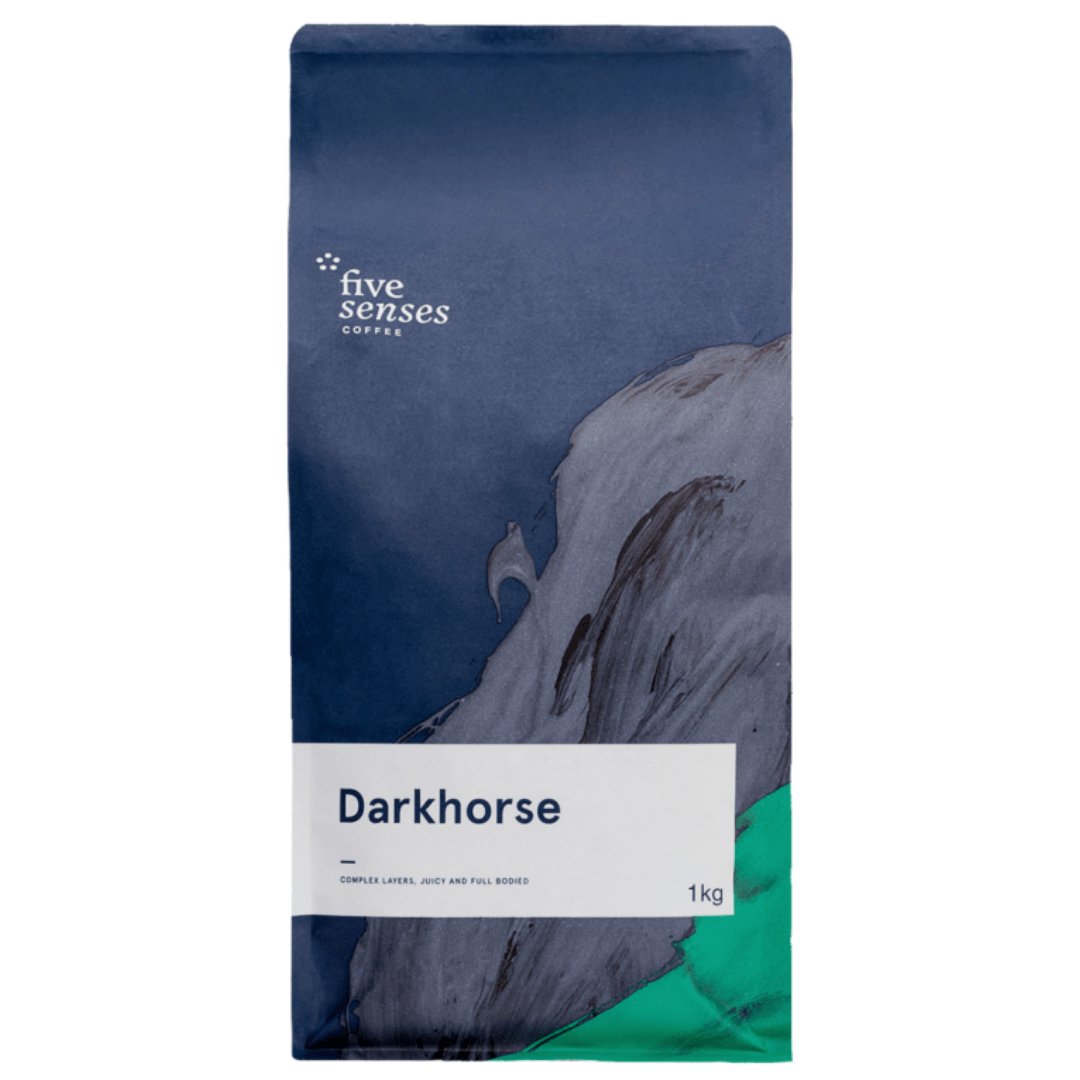
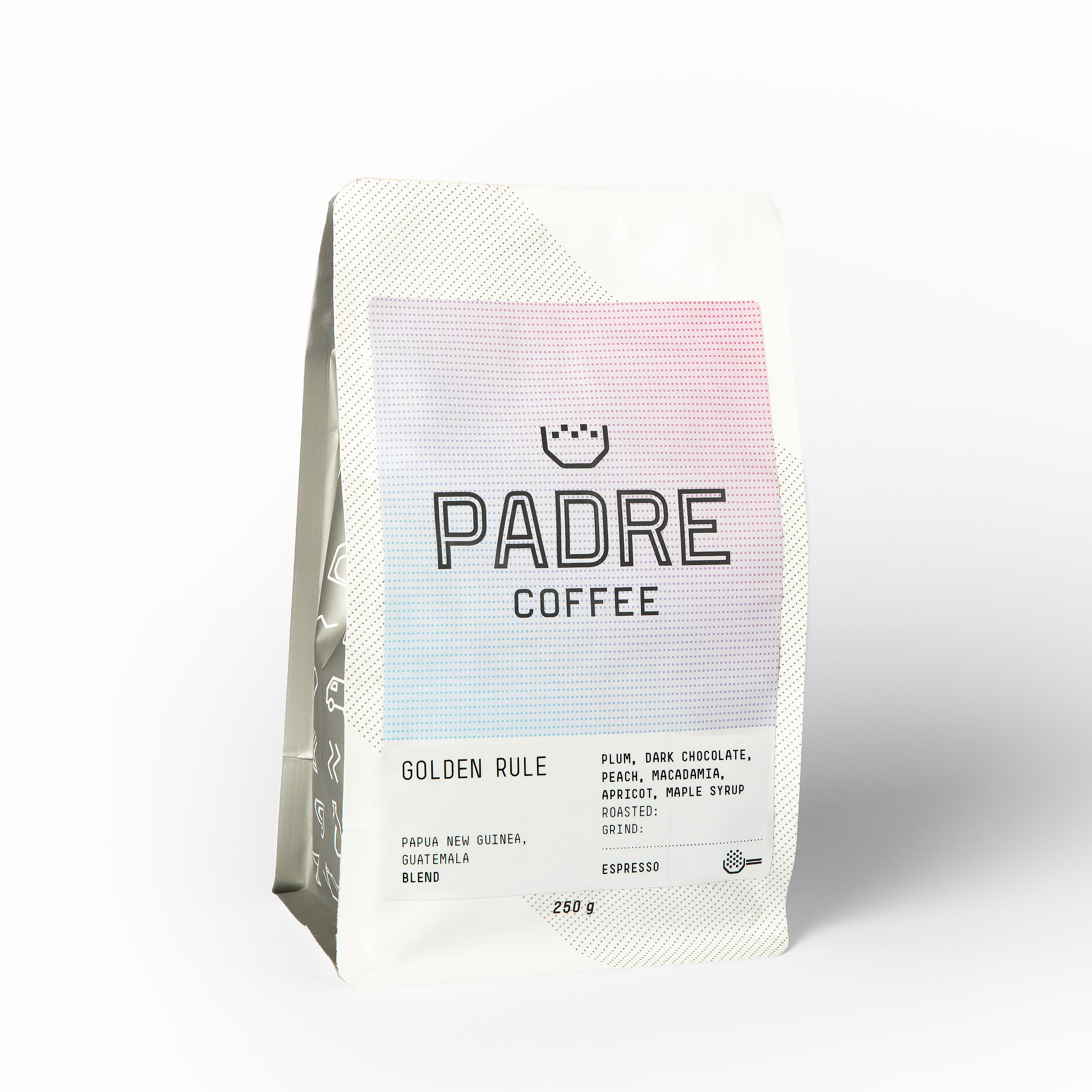
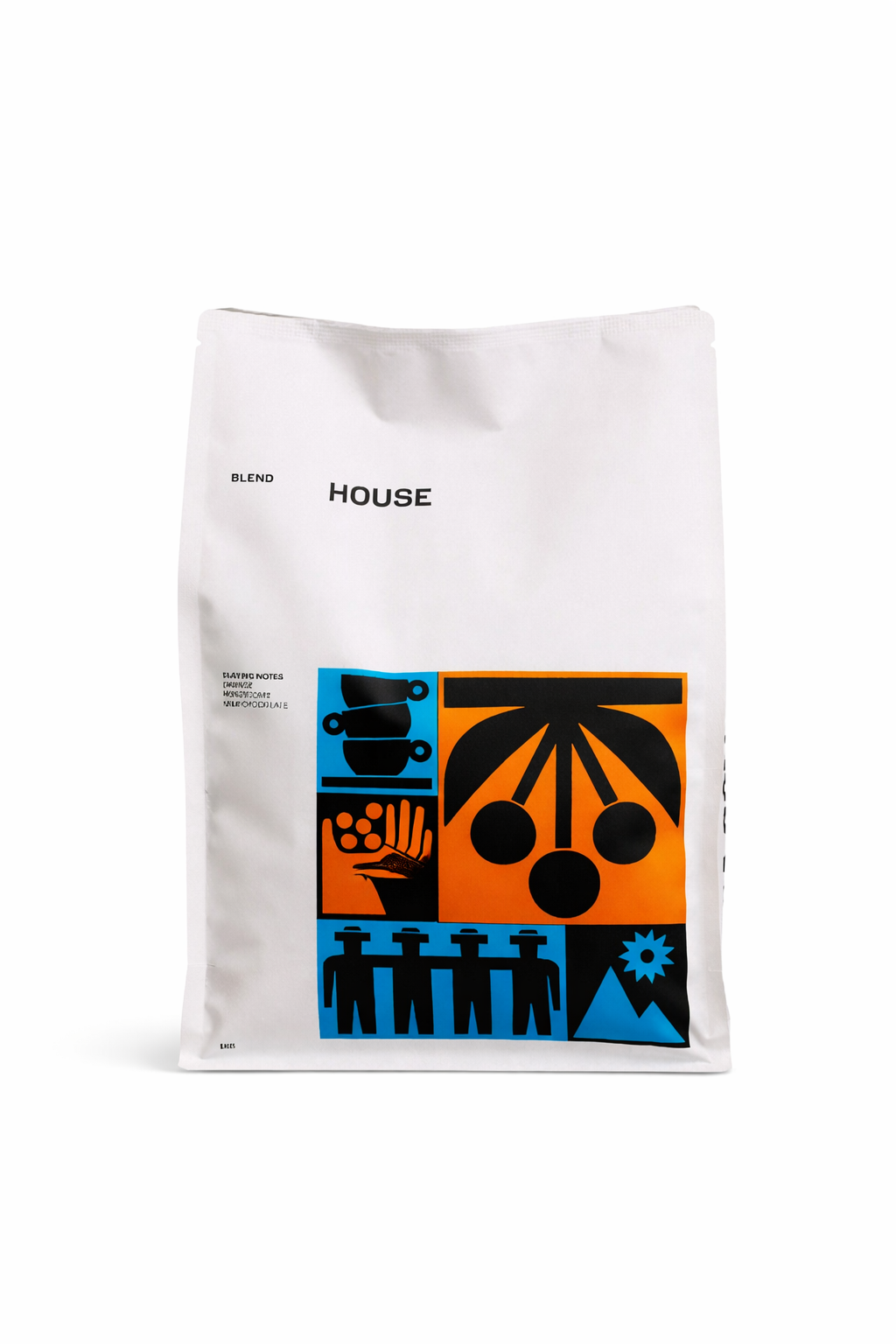
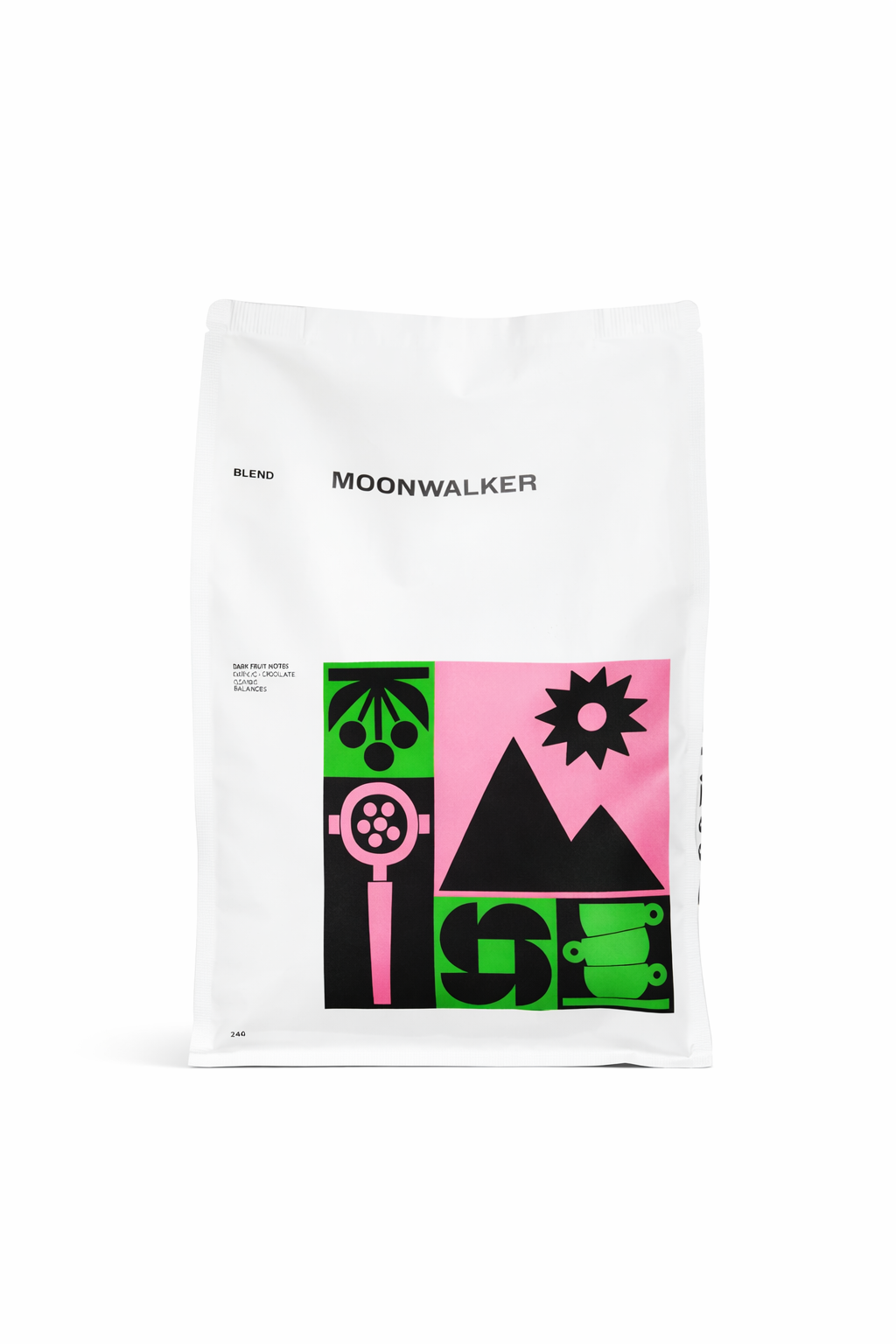
Every product here is a blend roasted for espresso, and the roasters behind them are some of Australia's most respected. Code Black Coffee's Ex-Wife is the crowd favourite - medium, chocolate-forward, endlessly reliable. Five Senses Coffee brings two classics: the Crompton Road, a dark roast built for intensity, and the Dark Horse, a medium roast with berries and chocolate for those who like a little complexity. Proud Mary Coffee offers two contrasting takes - the Angel Wings, a light roast with stone fruit and citrus, and the Humbler, leaning into chocolate and caramel warmth. Padre Coffee's Golden Rule is approachable and endlessly drinkable - nuts, stone fruit, medium roast. And from Mecca Coffee, the House Blend brings citrus and chocolate, while the Moonwalker is as bold as the name suggests.
Top Coffee Producing Countries In Asian Coffee Beans
Rising along the mist-cloaked slopes of the Hengduan and Gaoligong ranges, China, led by Yunnan’s highlands, now yields specialty lots prized for their brown-sugar sweetness, stone-fruit lift and delicate black-tea florals. Rapid advances in agronomy, micro-mill processing and cultivar selection (Catimor, Bourbon, Typica, Geisha) are propelling the country from emerging origin to must-try origin.
Key regions:
Yunnan (Pu’er · Baoshan · Lincang · Dehong) · Sichuan (Mengding) · Hainan (Wuzhi Shan)
Typical elevation:
1000 – 1900 m
Dominant processing:
Fully washed (rapid growth in honey & natural microlots)
Cup profile:
Brown-sugar sweetness, apricot & lychee acidity, black-tea florals, silky cocoa body
Hand-picked cherries are depulped at on-farm micro-beneficios, then fermented in cool mountain air and dried on multi-tiered bamboo patios or raised beds. Sharp day-night temperature swings concentrate sugars, while red-clay and limestone soils layer in mineral nuance. The result is a cup that harmonises juicy stone-fruit brightness with plush caramel depth - equally compelling as a fragrant pour-over or a balanced, cocoa-laced espresso.
Carved by jagged limestone peaks and cloaked in tropical cloud-forest, Papua New Guinea (PNG) delivers coffees that mingle brown-sugar sweetness with vibrant tropical fruit and an earthy, herb-spice undertone. Thousands of smallholder “coffee gardens,” intercropped with taro and bananas, cultivate heirloom Typica and Arusha trees whose cherries travel down the Highlands Highway to community wet-mills and estate-run washing stations.
Key regions:
Eastern Highlands (Goroka) · Western Highlands (Mt Hagen) · Simbu · Morobe
Typical elevation:
1200 – 1850 m
Dominant processing:
Fully washed (with increasing honey & natural microlots)
Cup profile:
Molasses sweetness, pineapple & stone-fruit acidity, cedar-herbal nuance, cocoa-spice body
Hand-picked cherries are pulped the same day, fermented in cool mountain water and sun-dried on elevated patios or bamboo tables. Sharp day-night temperature swings lock in sugars, while young volcanic soils contribute mineral depth and subtle spice. The result is a cup that balances tropical brightness with syrupy chocolate richness - ideal for adventurous filter brews and full-bodied, fruit-laced espressos.
Perched on the mist-cooled Bolaven Plateau and fed by rich volcanic loam, Laos produces quietly elegant coffees that fuse cocoa-nib sweetness with gentle citrus and sweet-spice lift. Shade-grown Typica, Catimor and Bourbon cherries ripen slowly under monsoon-tempered skies, then undergo careful washed and honey processing that preserves crisp clarity while layering brown-sugar depth.
Key regions:
Bolaven Plateau (Paksong, Champasak & Sekong) · Attapeu
Typical elevation:
1000 – 1350 m
Dominant processing:
Fully washed (rising honey & natural microlots)
Cup profile:
Cocoa-nib & brown-sugar sweetness, macadamia nut body, soft citrus–tamarind acidity, sweet-spice nuance
Smallholder “coffee gardens” intercropped with cardamom and fruit trees supply village wet-mills, where freshly picked cherries are pulped, spring-water-fermented and sun-dried on bamboo beds. High humidity, cool nights and mineral-rich basalt soils lock in sugars and delicate aromatics, yielding a cup that balances silky chocolate depth with a refreshing citrus sparkle - ideal for comforting pour-overs or creamy, nut-forward espressos.
Shaded by pepper vines and cardamom trees on the lush slopes of the Western Ghats, India crafts coffees with velvety chocolate depth, warming spice and a softly muted acidity. Seasonal monsoon winds and pioneering post-harvest techniques - from pristine washed lots to the legendary Monsooned Malabar - give the origin a flavour signature unlike any other.
Key regions:
Chikmagalur & Coorg (Karnataka) · Wayanad (Kerala) · Nilgiris & Shevaroy Hills (Tamil Nadu) · Araku Valley (Andhra Pradesh)
Typical elevation:
900 – 1600 m (select peaks to 1900 m)
Dominant processing:
Fully washed, natural & monsooned
Cup profile:
Dark chocolate & jaggery sweetness, sweet-spice (cardamom, clove), gentle citrus, earthy–cedar undertone
Hand-picked Arabica - chiefly S795, SLN 5B, Kent and emerging Hybrido de Timor lines - is depulped within hours and spring-water-fermented before patio drying, or else sun-dried in the cherry for natural lots. For Monsooned Malabar, parchment beans spend weeks in open-air warehouses exposed to humid Arabian-Sea winds, swelling in size and softening in acidity to create a syrupy, wood-and-spice cup. Coupled with nutrient-rich lateritic soils and dramatic day–night temperature swings, these methods yield coffees that balance mellow citrus lift with plush cocoa-spice body - perfect as a comforting pour-over, a smooth milk-based espresso, or the backbone of a complex blend.
Ringed by smoking volcanoes and laced with equatorial rain-storms, Indonesia’s sprawling archipelago yields coffees famed for their syrupy body, dark-chocolate depth and heady spice. From Sumatra’s lush Mandheling valleys to the high ridges of Sulawesi and Java, smallholders employ the distinctive giling basah (wet-hulling) method that softens acidity and layers in earthy, forest-floor complexity.
Key regions:
Sumatra (Aceh Gayo & Mandheling) · Java (Ijen Plateau) · Sulawesi (Toraja) · Flores · Bali Kintamani
Typical elevation:
900 – 1700 m
Dominant processing:
Wet-hulled (giling basah); rising washed & natural microlots
Cup profile:
Dark chocolate & sweet-tobacco warmth, cedar-herbal nuance, tropical-fruit spark, syrupy low-acid body
Picked at peak ripeness from Typica, Bourbon, Catimor and S-line trees, cherries are depulped at village micro-mills, then partially dried and hulled at ~35 % moisture before a final sun-dry on bamboo patios. Monsoon humidity, iron-rich volcanic loam and steep day–night temperature swings lock in sugars and aromatic oils, producing a cup that marries foresty spice with plush cocoa sweetness - ideal for velvety, crema-rich espressos or bold, comforting filter brews.