


Multiple Origins

Roast

Roast

Profile

Profile
Multiple Origins
Roast
Roast

Profile
Profile
Multiple Origins
Roast
Roast

Profile
Profile
Multiple Origins
Roast
Roast

Profile
Profile
Multiple Origins
Roast

Roast

Profile
Profile

Single Origin
Roast

Roast

Process
Profile
Profile
Multiple Origins
Roast
Roast
Profile
Profile
Multiple Origins
Roast
Roast
Profile
Profile
Multiple Origins

Roast
Roast
Profile
Profile

Multiple Origins
Roast
Roast
Profile
Profile
Multiple Origins
Roast
Roast
Profile
Profile
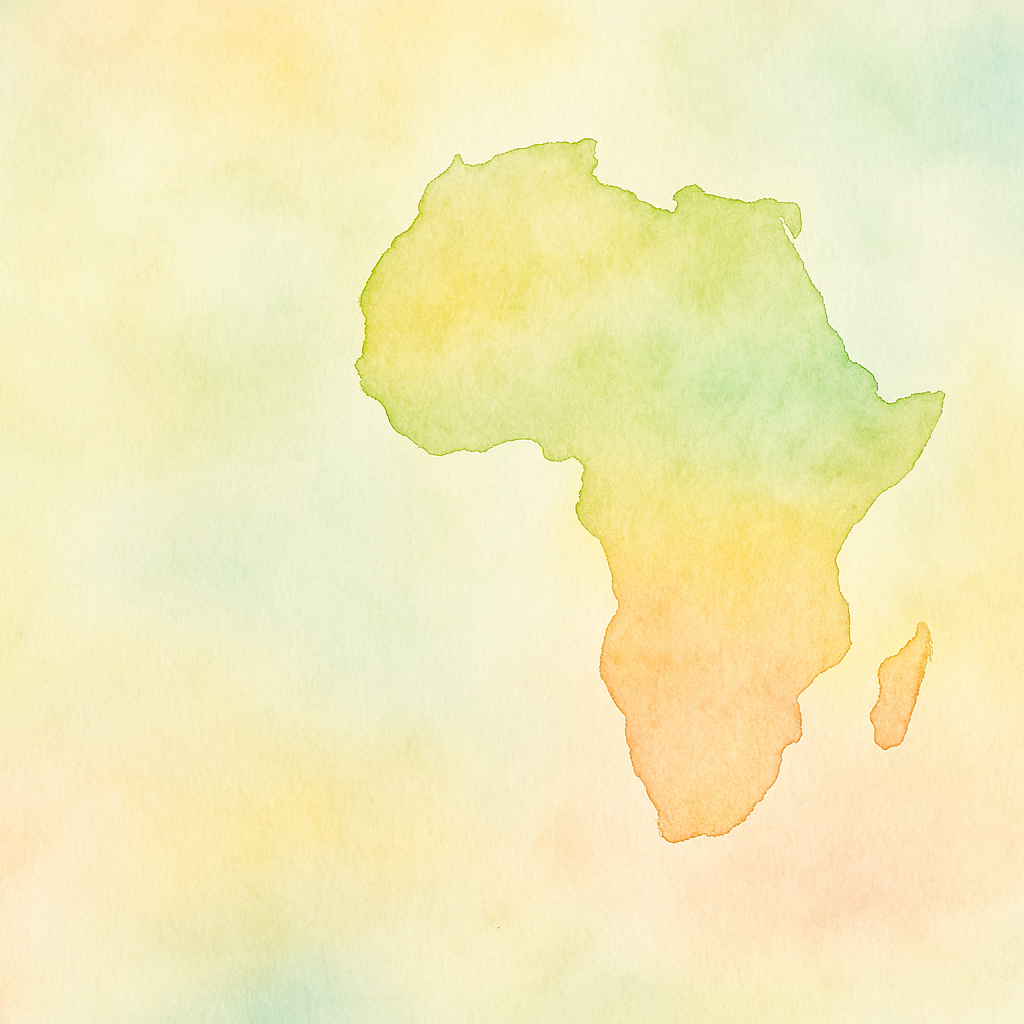
Africa is home to many of the most diverse and interesting coffee-producing regions in the world. From the high plains of Ethiopia and Uganda to the volcanic slopes of Kenya, African coffee producers are renowned for growing beans that are both diverse and complex.
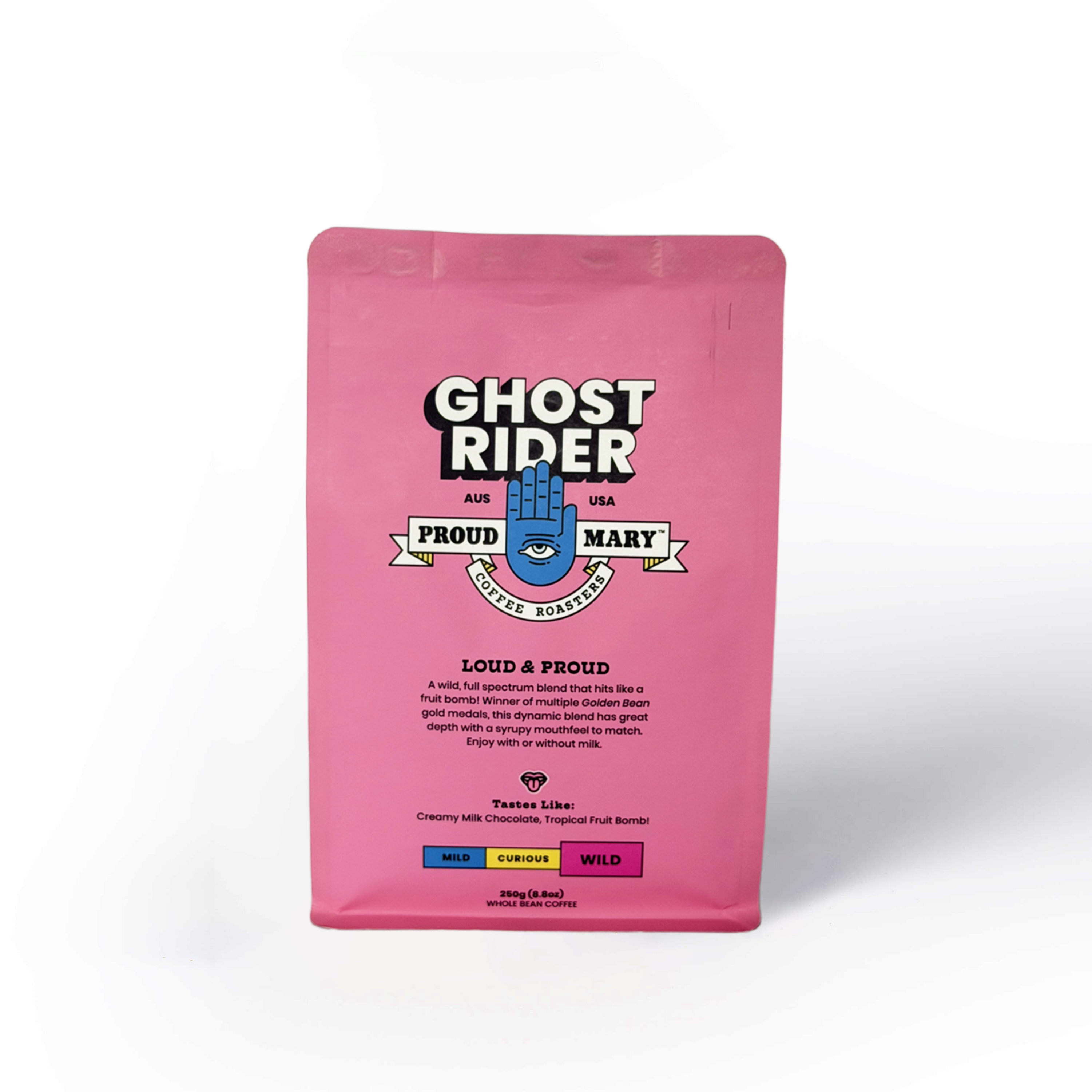
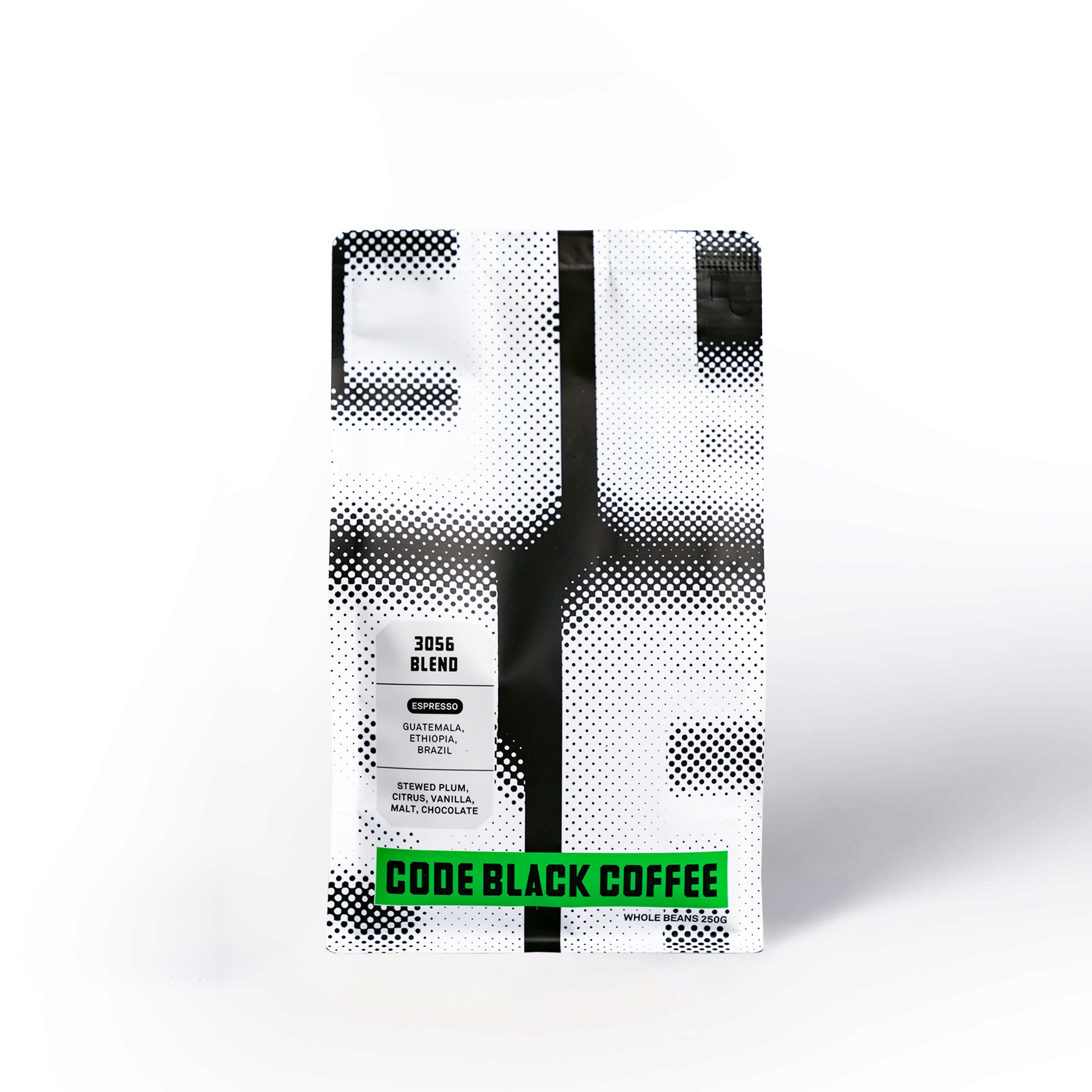
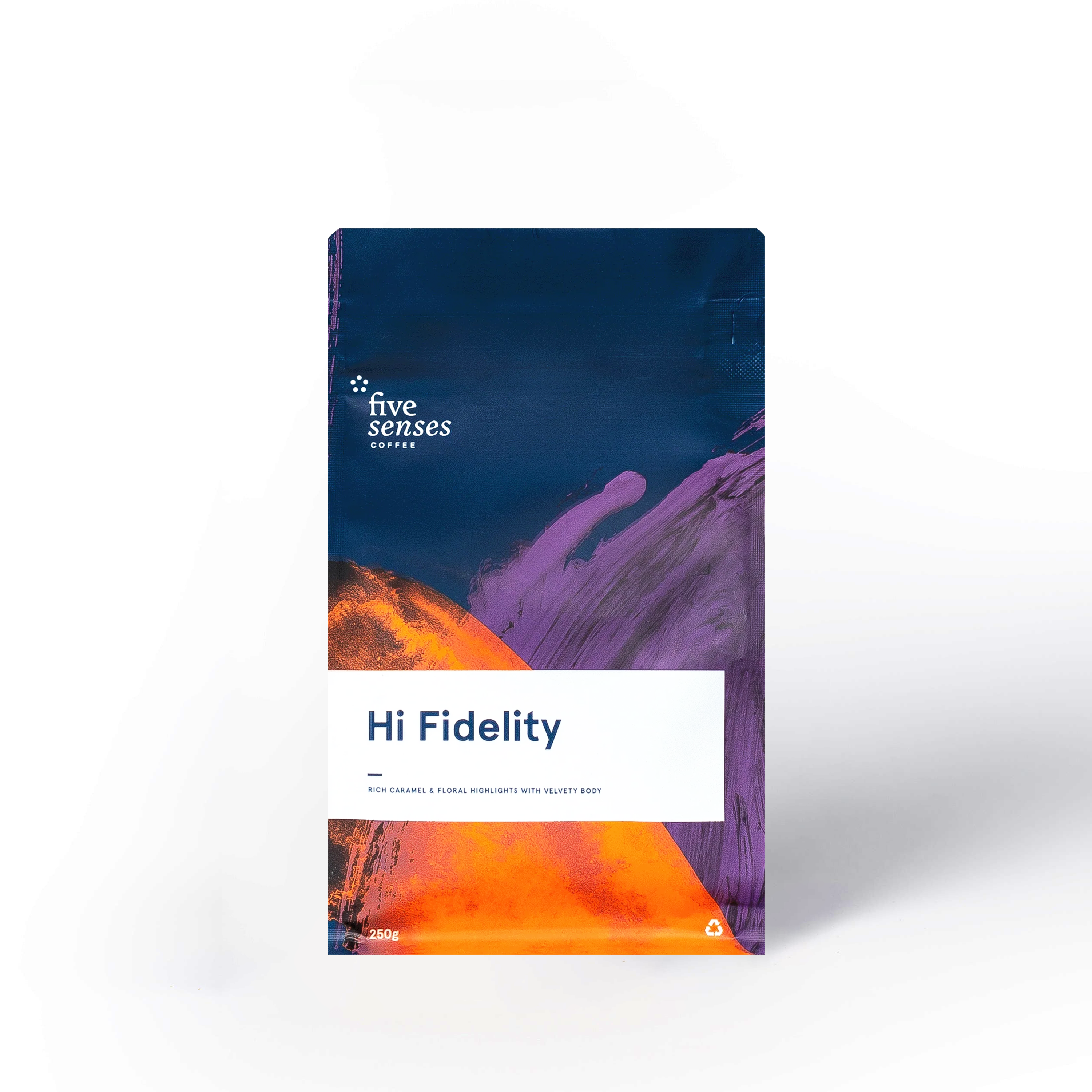
Today, many of Australia’s most recognisable and celebrated specialty coffee roasters source beans from all over Africa. Brands like Market Lane, Proud Mary, Code Black, Five Senses, Maker, Standing Room, Blume, Mecca, Sample, and many others have cultivated strong relationships with farms across Eastern, Central, and Western Africa to source a wide range of beans.
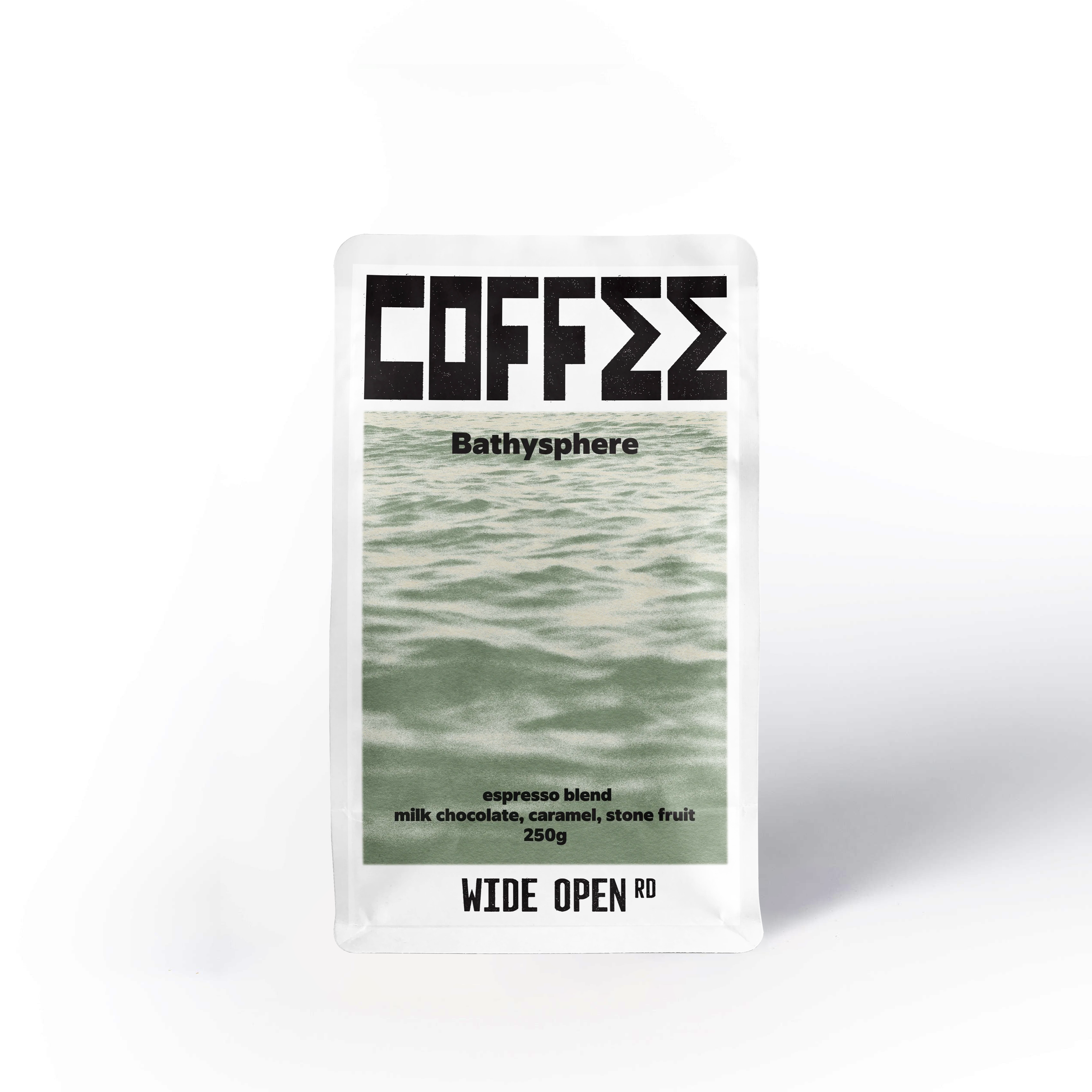
ALTDROP is proud to stock a wide range of coffee beans from across Africa. Our range of African Coffee beans includes light, medium, and darker roasts suitable for espresso and filter brewing. Our range of African Coffee beans is constantly changing and evolving in-line with our stocked brands and seasonal changes.
Shop African-sourced coffee beans today with ALTDROP to enjoy fast, Australia-wide shipping and free postage on all orders over $30 - whether you're in Melbourne, Sydney, or Brisbane.
Top Coffee Producing Countries In African Coffee Beans
The cradle of Coffea arabica itself, Ethiopia dazzles with an unmatched spectrum of floral-fruit flavours. Towering highlands, ancient heirloom genetics and time-honoured sun-drying give its coffees their hallmark bergamot perfume, blueberry burst and silky, tea-like body that set the global benchmark for elegance.
Key regions:
Sidama · Yirgacheffe · Guji · Harrar · Limu
Typical elevation:
1600 – 2200 m +
Dominant processing:
Sun-dried naturals & fully washed
Cup profile:
Earl-Grey florals, ripe blueberry & peach, candied citrus, honeyed-tea body
Millions of smallholder farmers tend “garden” plots of wild-type landraces - often under false banana shade - hand-picking crimson cherries and either depulping them the same day for cool-water fermentation or drying them whole on raised beds for up to three weeks. The mix of porous volcanic soils, torrid daytime sun and brisk, jasmine-scented nights concentrates sugars and aromatic oils, yielding cups that marry sparkling fruit clarity with velvety sweetness, ideal for expressive filter brews or nuanced, floral espressos.
Skirting the red-volcanic slopes of Mount Kenya and the Aberdare Range, Kenya crafts coffees whose electric black-currant zing and wine-like acidity have become industry benchmarks. Classic SL-series cultivars (SL 28, SL 34) and newer Ruiru 11 and Batian thrive in cool mornings, intense equatorial sun and iron-rich loam, concentrating sugars and anthocyanins that burst into berry, citrus and tomato-savory layers.
Key regions:
Nyeri · Kirinyaga · Embu · Murang’a
Typical elevation:
1500 – 2100 m
Dominant processing:
Double-fermented, fully washed (with a small but growing share of honey & natural lots)
Cup profile:
Blackcurrant & red-berry sweetness · Grapefruit/tamarind acidity · Tomato-savory nuance · Brown-sugar finish · Silky tea-like body
Cherries are hand-picked at peak ripeness and delivered to cooperative wet-mills, where an overnight fermentation, a second “soak,” and meticulous channel grading sharpen clarity and embed Kenya’s signature fruit-acid sparkle. Steep day–night swings often exceeding 20 °C lock in volatile aromas, while porous pumice soils add mineral depth. The result is a cup that interweaves crystalline berry brightness with plush sugarcane sweetness - exceptional for vibrant pour-overs and stand-alone, wine-toned espressos.
Rising along the Great Rift Valley and the snow-capped slopes of Kilimanjaro and Meru, Tanzania yields coffees celebrated for their bright citrus, black-tea florals and gently wine-like structure. Highland microclimates, mineral-rich volcanic soils and the country’s famous peaberry grading combine to produce cups that balance sparkling acidity with velvety cocoa depth.
Key regions:
Kilimanjaro & Meru · Mbeya & Songwe · Ngorongoro · Kagera (Bukoba)
Typical elevation:
1200 – 1900 m (select farms above 2000 m)
Dominant processing:
Fully washed (growing share of natural & sun-dried peaberry lots)
Cup profile:
Mandarin-orange & red-currant brightness · Cane-sugar sweetness · Black-tea florals · Subtle wine-grape nuance · Cocoa-nib body
Smallholder farmers, many tending just a few hundred trees, hand-pick Bourbon-derived Kent, N 39 and Typica cherries and deliver them to cooperative washing stations for same-day depulping, cool-water fermentation and slow raised-bed drying. Sharp day–night temperature swings lock in sugars, while fertile volcanic loam layers in spice and mineral complexity. The result is a cup that marries citrus acidity and tea-like aromatics with plush chocolate sweetness - ideal for lively pour-overs and nuanced, fruit-forward espressos.
Rising on the fertile shoulders of Mt Elgon and the glacier-capped Rwenzori “Mountains of the Moon,” Uganda is shedding its Robusta-only image with Arabica lots that fuse raisin-plum sweetness, red-berry brightness and a cocoa-spice backbone. Cool, misty mornings, dramatic day–night swings and deep volcanic loam coax SL 14, SL 28 and Nyasaland heirlooms into vibrant, sugar-dense cherries that shine whether fully washed at Sipi Falls or sun-dried whole in the Rwenzoris.
Key regions:
Mt Elgon (Sipi Falls / Bugisu) · Rwenzori (Kasese & Kabarole) · West Nile (Zombo)
Typical elevation:
1200 – 2200 m
Dominant processing:
Fully washed (Mt Elgon); natural & honey (Rwenzori), with emerging anaerobic microlots
Cup profile:
Raisin-plum sweetness · Red-berry & citrus sparkle · Brown-sugar depth · Cocoa-spice body · Subtle floral hints
Thousands of smallholder farmers hand-pick crimson cherries from shade-grown coffee “gardens,” depulping them the same day for cool-water fermentation or drying them whole on raised beds that line mountainside terraces. Sharp diurnal temperature swings lock in aromatics, while basalt-rich soils layer in mineral nuance. The result is a cup that balances jammy fruit vibrancy with velvety chocolate structure - ideal for expressive pour-overs, fruit-forward espressos or as a lively highlight in blend development.
Nicknamed the “Land of a Thousand Hills,” Rwanda produces elegant, sweet-tart coffees that glow with red-berry brightness and tea-rose florals. Steep, terraced slopes, cool misty mornings and deep volcanic loam nurture Bourbon-heritage cherries that balance crisp acidity with silky brown-sugar depth.
Key regions:
Gakenke & Rulindo (North) · Nyamasheke, Karongi & Rusizi (West) · Huye & Nyaruguru (South)
Typical elevation:
1400 – 2100 m
Dominant processing:
Fully washed at cooperative wet-mills (rising honey & natural microlots)
Cup profile:
Red-currant & cranberry sparkle · Orange-zest acidity · Black-tea florals · Brown-sugar sweetness · Silky cocoa body
Hundreds of thousands of smallholder farmers hand-pick ripe Bourbon cherries and deliver them to community washing stations, where a double-fermentation (under water, then dry) sharpens clarity before slow raised-bed drying in highland breezes. Dramatic day-night temperature swings lock in aromatics, while mineral-rich ash soils layer in subtle spice. The result is a cup that marries lively fruit purity with velvety caramel structure - perfect for bright, articulate pour-overs or refined, floral-toned espressos.
Perched on verdant, terraced ridges that tumble toward Lake Tanganyika, Burundi shares Rwanda’s Bourbon genetics yet stamps its own signature on the cup: juicy red-fruit sparkle, tea-rose florals and a silky caramel finish. Cool misty mornings, iron-rich volcanic loam and hundreds of community washing stations give this tiny nation an outsized reputation in specialty coffee.
Key regions:
Kayanza · Ngozi · Kirundo · Muyinga · Gitega
Typical elevation:
1400 – 2100 m
Dominant processing:
Fully washed (double-fermented & soaked) - with rising honey & natural microlots
Cup profile:
Red-currant & blackberry sweetness · Lemon-orange acidity · Black-tea florals · Brown-sugar depth · Silky cocoa body
Tens of thousands of smallholder farmers, often tending fewer than 300 trees, hand-pick ripe Bourbon cherries and deliver them daily to communal wet-mills. After depulping, the parchment soaks in cool mountain water, then dries slowly on high, sun-drenched raised beds - allowing sugars and aromatics to concentrate while preserving sparkling clarity. The result is a cup that marries lively fruit purity with plush caramel structure - ideal for vibrant pour-overs, refined floral espressos or as a bright accent in blends.